










Rating momentum
Pretty good: 7.8/10 across 1.7k ratings. Overall vibes are good; safe to add to your backlog.
About 30 seconds
Answer four quick questions about your experience.
Pretty good: 7.8/10 across 1.7k ratings. Overall vibes are good; safe to add to your backlog.
Leans into Adventure, Puzzle — a quick read on whether that fantasy matches what you usually enjoy.
19 media reviews
 RATE THIS
What everything adds up to is a game that’s half good. If the more unique and compelling idea of the war was expanded upon, the title could have been much better.
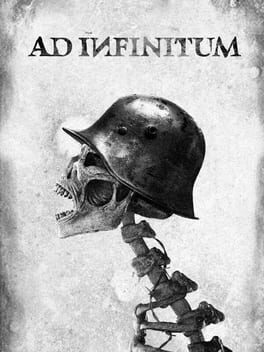
Read full review ↗A more coherent story and confident use of setting could've helped Ad Infinitum live up to its full potential. The dilapidated mansion, nightmare trenches, and horrible creatures still give it a unique identity that goes some way toward making up for the narrative shortcomings. However, I hope there's a "next time" for Hekate and Ad Infinitum and a chance for both to play into their strengths.
Read full review ↗Having experienced Ad Infinitum, it becomes clear that the game is a remarkable example of how video games can combine history, psychology, and horror into a unified, immersive experience. One of its most striking strengths is its ability to immerse the player in the protagonist’s mind. Paul is not just a soldier on the battlefield; he is a man overwhelmed by trauma and anguish, and the game conveys the deterioration of his psyche through the very world around him. This level of psychological immersion is rare in traditional horror titles. Equally impressive are the worldbuilding and art design. Every trench, bunker, destroyed village, and open field is rendered with meticulous realism, while the visual language heightens tension and unease. The environments are not mere backdrops – they are active narrative instruments, capable of telling stories without words and influencing gameplay, allowing players to truly live the experience. The sound design is outstanding. Spatial audio and meticulously crafted ambient sounds create a deeply immersive atmosphere, where every footstep, creak, and indistinct noise becomes a tool of suspense and emotional engagement. This careful attention to audio ensures the game generates tension even in moments of relative calm, delivering a memorable audiovisual experience. From a gameplay perspective, the survival horror mechanics – blending stealth and psychological elements – align perfectly with the narrative. While some moments may feel challenging for players unaccustomed to slow, tension-driven pacing, the game rewards patience, observation, and exploration, making it particularly satisfying for fans of immersive horror. A key feature is the balance between story and personal interpretation. Surreal events and distortions of reality are not mere scare tactics; they serve as narrative tools, allowing players to reflect on the trauma of war, the fragility of the mind, and the subjectivity of perception. This makes the experience complex, layered, and intellectually engaging, appealing to those seeking a thoughtful psychological horror. In conclusion, Ad Infinitum is an ambitious and accomplished title that stands out in the survival horror genre for its combination of historical authenticity, psychological tension, and meticulous worldbuilding. While not flawless, its strengths – immersive storytelling, art direction, sound design, and emotional depth – make it a truly memorable experience, especially for those seeking intense, reflective horror that leaves a lasting impression. On a personal note, the team’s closing message is profoundly moving, highlighting how collective tragedy can deeply impact a family. Truly touching. This is a game that leaves a mark and demands full attention and total immersion.
Read full review ↗Overall, Ad Infinitum was an exciting and immersive gaming experience that certainly won't be for everyone, but its excellent production leaves a lasting impression. So, anyone who enjoys horror adventures that require a quick grasp of the story should get their money's worth. The harmonious soundscape underscores the overall picture created by German developer Hekate and conveys the sense of despair that must have reigned on the battlefield back then. I had a lot of fun with the title and will attempt another playthrough soon, and you should consider doing the same.
Read full review ↗Although it presents a pitch-perfect atmosphere, the bright spots in its uneven campaign don't really get much chance to truly shine.
Read full review ↗Ad Infinitum very much feels like the kind of horror game that would’ve come out five or ten years ago: lots of slow-moving stealth and light puzzles, with a heavy dose of walking simulator-style exploration on the side.
Read full review ↗The topic is interesting, the plot is engaging, and we have nothing to complain about the presentation of the senselessness of the conflict as such. But at the same time, Ad Infinitum contains many dead places and boring passages, which, although they stretch the game time lasting around 6-7 hours, but at the same time dilute the atmosphere of the whole experience. It's a shame, but it shouldn't be a reason to dismiss Ad Infinitum forever.
Read full review ↗Ad Infinitum can easily give you a sense of discomfort and suspense, even if you're far removed from the genre as a whole.
Read full review ↗After many years of development, Ad Infinitum fails to deliver e great horror experience. The compelling story is not enough to save this project from mediocrity.
Read full review ↗I have to say, Ad Infinitum really surprised me. A horror game set in the trenches of World War I is something incredibly intriguing. It reminded me of an old classic called NecroVision. What scared me the most in the game were my own footsteps and the wind howling through the trenches. Sometimes I’d hum along to the record player to help me push through Paul’s nightmares. A few of the great jump scares nearly gave me a heart attack. I definitely recommend this original game to you.
Read full review ↗